
When the temperatures drop, many homeowners begin to question whether a heat pump can truly keep their home warm throughout the winter. While heat pumps are well known for their energy efficiency, some still wonder if they can handle colder conditions effectively. With advancements in technology, modern heat pumps are proving to be a reliable and efficient solution even when the temperature dips.
Understanding Heat Pump Efficiency in Cold Weather
Heat pumps work by transferring heat from the air outside into your home. In the past, older models struggled in cold weather, but today’s systems are built to perform even when outdoor temperatures are near or below freezing. Modern designs use advanced refrigerants and inverter-driven compressors to maximize efficiency, allowing heat pumps to operate effectively in colder climates while maintaining steady indoor comfort.
The Science Behind Heat Pumps in Winter
Contemporary air-to-air and air-to-water heat pumps can function efficiently at temperatures as low as -10°C, and some models maintain strong performance even at -20°C. These systems use a refrigerant that absorbs and transfers heat energy, ensuring your home remains comfortably warm. Because they move heat instead of generating it through combustion, heat pumps consume less energy than traditional furnaces or boilers, making them a cost-effective and environmentally friendly choice.
Addressing Common Concerns About Cold Weather Performance
A common misconception is that heat pumps cannot provide sufficient warmth in extreme cold. While efficiency can decrease as temperatures drop, high-performance models designed for cold climates are engineered to overcome this challenge. Many feature variable-speed compressors that adjust to heating demands, maintaining consistent indoor temperatures and reducing energy waste. This makes heat pumps an excellent option for reliable, efficient heating throughout the winter.
Supplemental Heating and Maintenance Tips
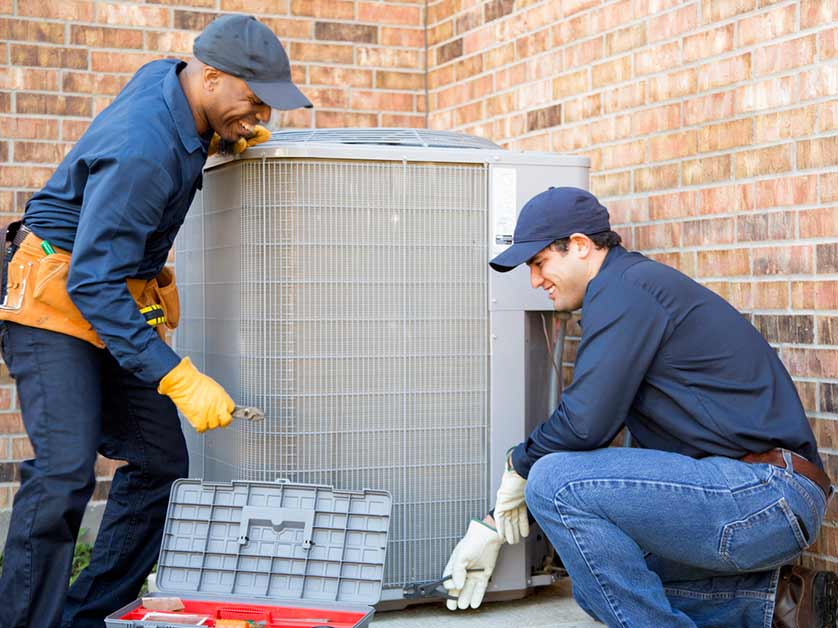
In particularly cold regions, homeowners may use supplemental heating systems, such as electric resistance heaters or gas furnaces, to support their heat pump during extreme weather. To keep your system running at peak performance, schedule professional maintenance before the winter season. Regularly clear debris, leaves, or snow from the outdoor unit to prevent airflow restrictions and ensure optimal efficiency.
Evaluating Efficiency: Seasonal Coefficient of Performance (SCOP)
When comparing heat pumps, pay attention to the Seasonal Coefficient of Performance (SCOP). This rating measures the system’s efficiency across varying temperatures throughout the heating season. A higher SCOP indicates better energy performance and greater cost savings. By choosing a heat pump with a strong SCOP rating, you can reduce your carbon footprint and enjoy consistent comfort with lower utility bills.
Conclusion
Heat pumps have advanced significantly, offering reliable warmth even during cold winter months. With the right system and proper maintenance, they provide an efficient, eco-friendly, and cost-effective heating solution for modern homes. Whether you live in a mild or moderately cold region, a well-chosen heat pump can easily meet your winter comfort needs.
Considering a Heat Pump for Your Home in Corona, CA?
If you’re exploring heat pump options for your home, Quality One Heating & Cooling is here to help. Our expert team provides professional guidance, installation, and maintenance to ensure your home stays warm and energy-efficient all winter long.
Call us today at 951-736-1101 or fill out our online form to schedule a consultation. Serving Corona, CA, we offer customized heat pump solutions designed to deliver comfort, performance, and savings through every season.